Sea trout fishing on the Swedish west coast
Sea trout fishing on the Swedish west coast is as much about patience as it is about catching fish. It takes time, but gives something back long before the first bite.
Published: 4/18/2026 • By CampApp
Download the app here
Want to continue in CampApp? Download the app to save favourites, discover more campsites and get a better overall experience.


The search for something that might not be there
There is something special about sea trout fishing on the west coast. It is not like other types of fishing where you expect results. Here, it is almost the opposite.
You cast, retrieve and take a few steps forward. Then you do it again. And again. It is repetitive in a way that slowly becomes calming.
The west coast is not forgiving
The conditions play their part. The wind is often straight in your face and the water stays cold for most of the year. It is not unusual to spend long periods without feeling anything at all.
And still, that is part of the appeal.
When to fish
Spring and autumn are usually the most interesting seasons. In spring, sea trout move into shallower waters where temperatures rise faster, which means fishing is often done close to shore.
In autumn, they move more actively ahead of spawning.
Summer can work as well, but it usually means early mornings or late evenings.
Where to start
The simple advice is to look for variation. Places where sand meets rocks, where seaweed breaks up or where there is movement in the water.
It does not need to look spectacular. Often the most ordinary stretches turn out to be the most productive.
Gear that works
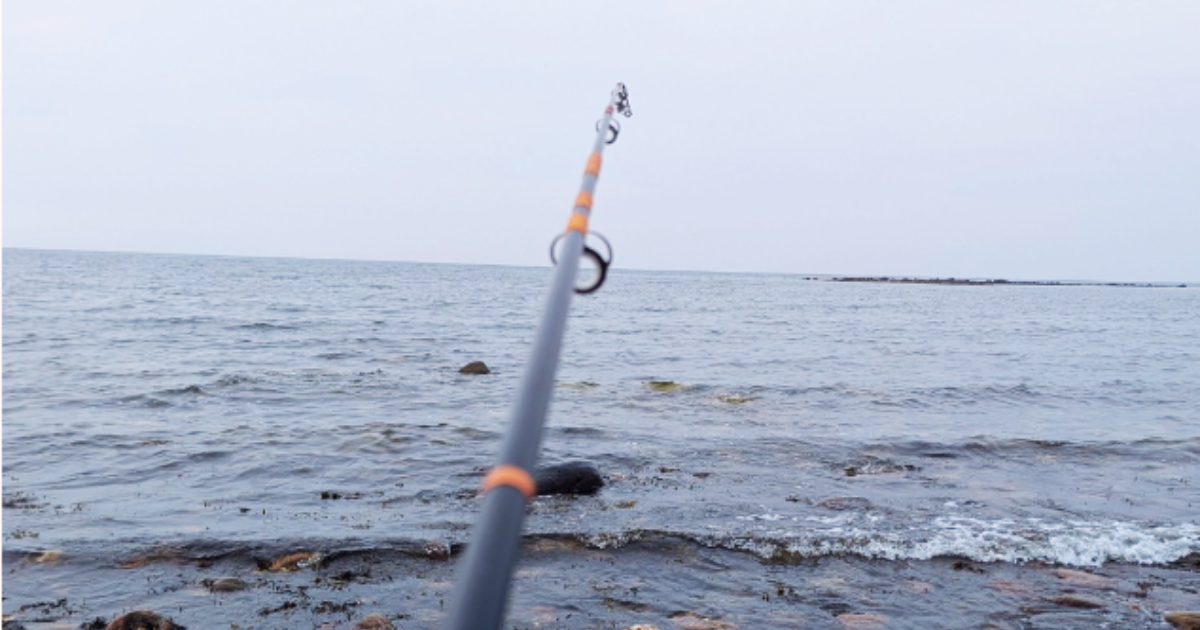
There is no need to overcomplicate it. A spinning rod around 9 to 10 feet, a reel with thin line and a few lures that cover different depths will take you far.
The rest is mostly about continuing to cast.
When it happens
Fishing can be quiet for a long time. Then suddenly it happens.
A strike that breaks the rhythm and brings all focus back instantly. Those are the moments you remember.
More than just catching fish
After a while, it becomes clear that it is not only about catching fish. It is about being out there. Having a reason to stand by the sea, even when conditions are not ideal.
The catch becomes more of a bonus.
Conclusion
Sea trout fishing on the west coast is not easy and rarely fast.
But there is something about it. Maybe it is the patience it requires. The persistence. The fact that you keep casting, even on days when you already know how it might end.
Related links
Read also
Camping with Teenagers: Let the Holiday Grow Up a Little
When children become teenagers, camping holidays change. The playground may no longer be enough, and yet another “cosy little outing” can be met with a look that says everything. But with more involvement, more flexibility and some respect for personal space, camping with teenagers can still be really good.
First Time in a Motorhome: Does Everything Really Have to Be Level?
A first motorhome trip is often a mixture of freedom, excitement and mild panic. You imagine drinking coffee beside a peaceful lake, but soon find yourself at a motorhome stop wondering whether the vehicle is leaning, how to empty the grey water and why the power cable is two metres too short. Relax. You do not need to know everything, buy everything or park perfectly level on your first attempt.
The History of the Caravan – How a Home on Wheels Became Part of Scandinavian Life
A caravan is much more than just a vehicle. For many people, it is a holiday cottage on wheels, a place where the holiday begins the moment it is hitched to the car. But where did it all start? From exclusive horse-drawn touring wagons to becoming a symbol of freedom, family holidays and the Scandinavian love of both adventure and comfort, the caravan has travelled a remarkable journey.